Design Methodology and Deadly Speed
Gamebyrd

Gamebyrd
The swift transformation of the video-rental industry (R.I.P brick-and-mortar movie rental companies) left a void within the hearts of many gamers. As the market moved towards digital entertainment streaming, the ability to rent anything from new video games to childhood classics was lost.
Enter Gamebyrd - an internal project with a simple concept: deliver games, consoles, and accessories to your door as quickly as a pizza.
Two Weeks to Create or Bust
We’ve got a need for speed. Our design methodology for web applications focuses on getting a working prototype in the user’s hands as quickly as possible. This doesn’t mean cutting corners – it just means working efficiently. By receiving feedback from users early and often, we were able to validate assumptions and adjust on the fly. For internal Caldera initiatives, we allow two weeks to create a working prototype - either an interactive mockup for more complex apps or a deployed alpha version for simpler ones.
We start with the basics. By defining the overarching goal of the project and exploring the customer need, we were able to design around a defined value statement. There was no need to make this complicated – this is why we followed a template, similar to a modified business plan.

Minimum Viable Product
We think of a product as a collection of features that work together to solve a customer’s problem. It is all about needs vs. wants. What is important to know is what features are completely and totally necessary for the experience. In our process, each user journey is mapped out and features in the app are prioritized accordingly. For Gambyrd, we were confident that users would need to search, add items to a cart, give payment information, and receive notifications.
All journey maps for minimum viable products are based on the end-user. Yes – we could have applied more dynamic processes like automating the order flow, automatically generating routes, programmatically contacting drivers to deliver games, etc. – but were those pertinent to the preliminary testing of the app? These are scenarios we had to think through. Without first validating that this idea was something the user would adopt, we risked spending time and money on things that might not matter. And so, the needs outweighed the wants.
Where it is Now
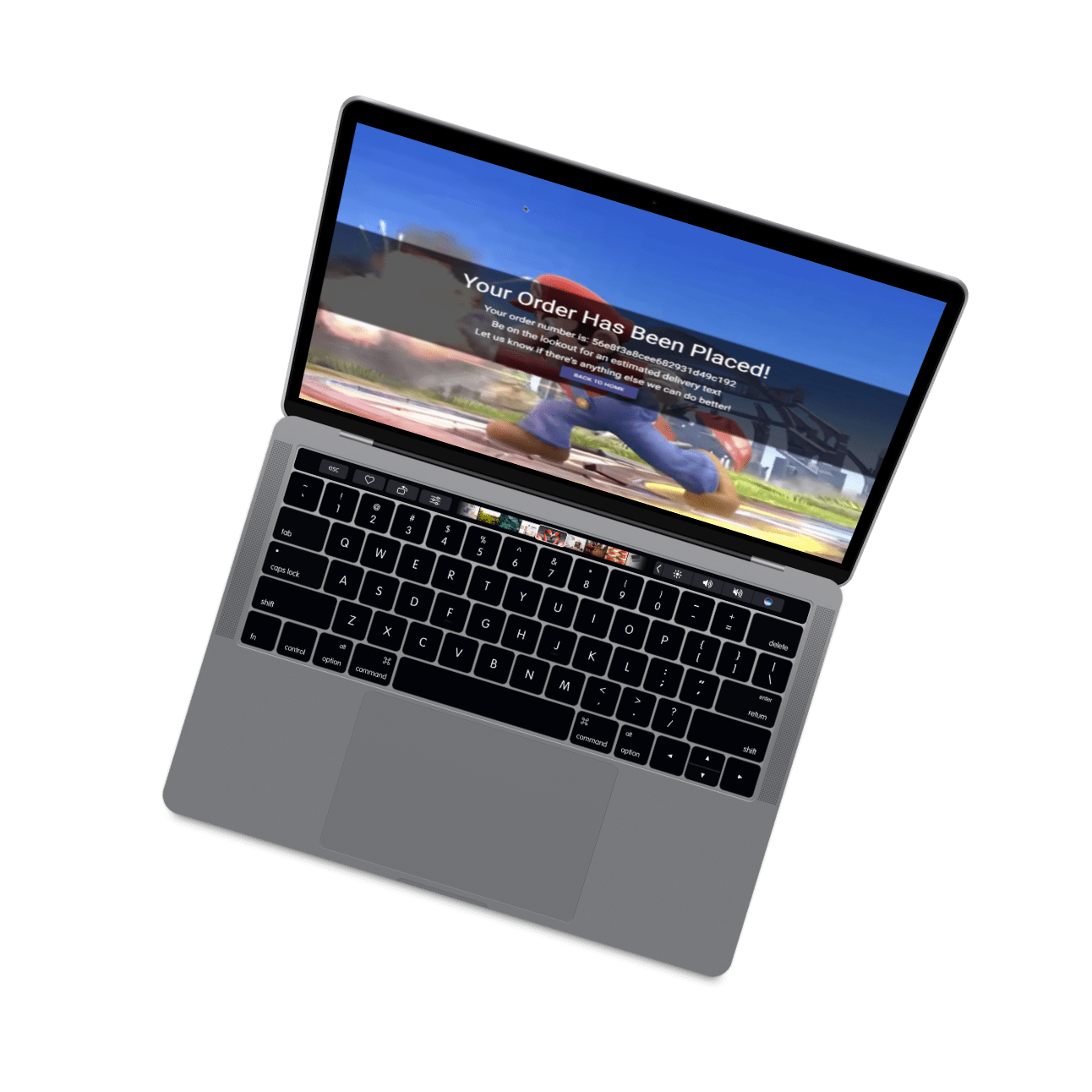
Our end product was demoed to a cohort of roughly 25 people with mainly positive feedback. After moving through some personal demonstrations to prospective users, our team ultimately decided to cease development on the app. Between the logistical hurdles and new developments in the retro games space (looking at you NES classic), we decided it wasn’t a product to continue with into the future. But man, did our imaginations have fun with this one.